
 admin
adminIn today’s digital ecosystem, security is no longer an optional feature—it is a fundamental requirement. As web applications continue to evolve and handle increasingly sensitive data, secure authentication systems have become the first line of defense against unauthorized access and cyber threats. A well-designed authentication framework not only protects users but also builds trust and long-term engagement.
Modern platforms such as MK8 demonstrate how advanced authentication mechanisms can be integrated seamlessly into user experiences without compromising speed or usability. By combining strong security protocols with intelligent system design, platforms can ensure both safety and performance.
🔐 The Importance of Secure Authentication
Authentication is the process of verifying a user’s identity before granting access to a system. In modern web applications, this goes beyond simple username and password combinations.
Weak authentication systems can lead to:
- Data breaches
- Unauthorized transactions
- Identity theft
- Loss of user trust
Therefore, implementing robust authentication methods is essential for maintaining platform integrity and protecting user information.
🧩 Types of Modern Authentication Methods
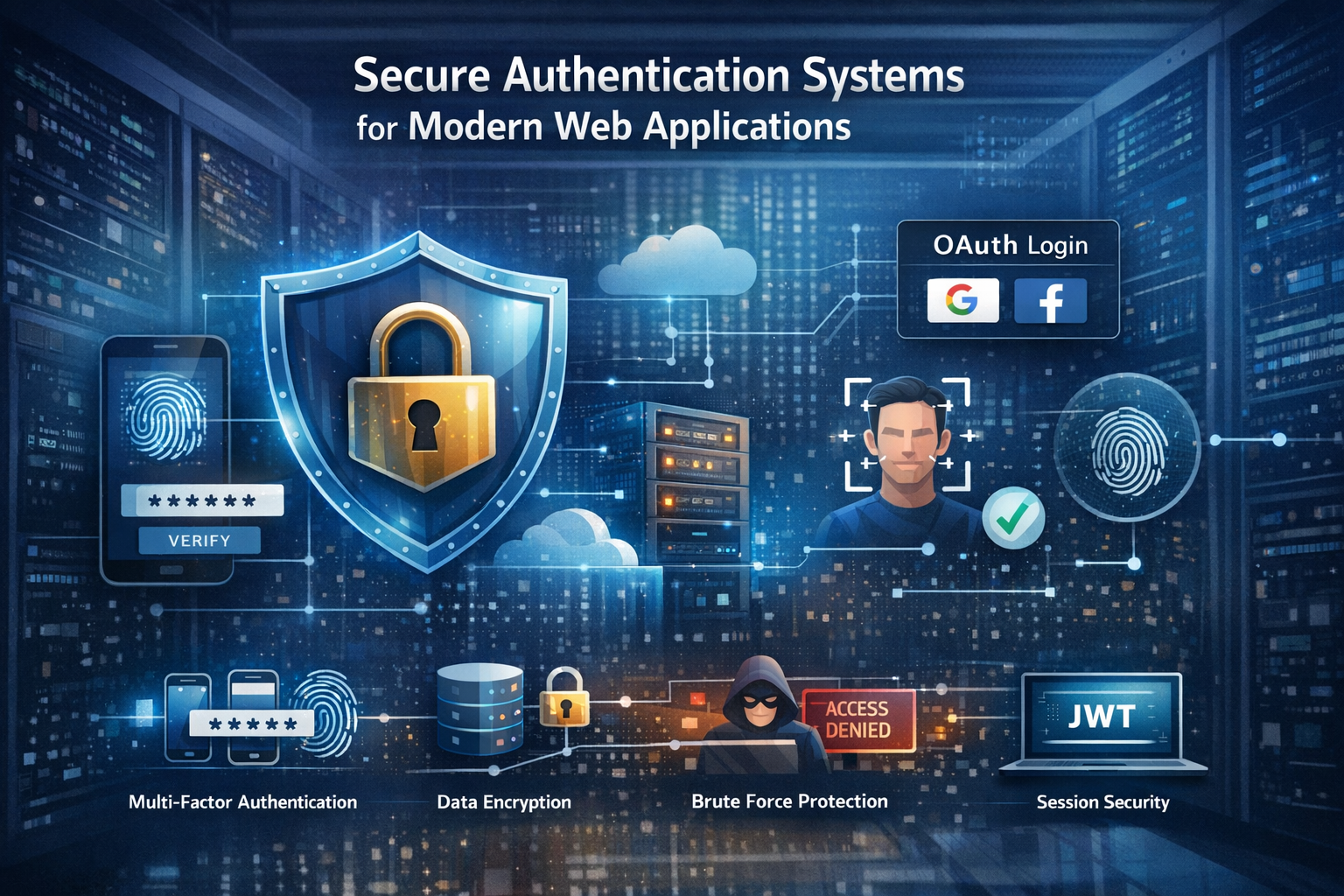
Today’s web applications use multiple authentication methods to enhance security. One of the most common approaches is Multi-Factor Authentication (MFA), which requires users to provide two or more verification factors.
Common authentication factors include:
- Something the user knows (password or PIN)
- Something the user has (mobile device or security token)
- Something the user is (biometric data such as fingerprint or facial recognition)
By combining these factors, platforms significantly reduce the risk of unauthorized access.
Another widely used method is OAuth authentication, which allows users to log in using third-party services such as Google or Facebook without sharing passwords directly.
⚙️ Behind the Scenes: How Authentication Works
Secure authentication systems rely on several backend processes to ensure safety. When a user logs in, their credentials are not stored or transmitted in plain text. Instead, they are encrypted using advanced hashing algorithms such as bcrypt or SHA-256.
The system then compares the encrypted input with stored values in the database. If they match, access is granted.
Session management is another critical component. After authentication, the system generates a secure session token that allows users to remain logged in without repeatedly entering credentials.
Modern systems also use JWT (JSON Web Tokens) for stateless authentication, enabling faster and more scalable user verification.
🛡️ Protecting Against Common Threats
Cyber threats are constantly evolving, and authentication systems must be designed to counter them effectively. Some of the most common threats include:
- Brute force attacks – repeated attempts to guess passwords
- Phishing attacks – tricking users into revealing credentials
- Session hijacking – stealing active session tokens
To mitigate these risks, platforms implement:
- Rate limiting to block repeated login attempts
- CAPTCHA verification to prevent automated attacks
- Token expiration and renewal mechanisms
- IP monitoring and anomaly detection
These measures ensure that even if one layer is compromised, additional safeguards remain in place.
📱 User Experience vs Security Balance
One of the biggest challenges in authentication design is balancing security with user convenience. Overly complex login processes can frustrate users, while overly simple systems can expose vulnerabilities.
Modern platforms address this by implementing:
- Biometric login for quick access
- Single Sign-On (SSO) for seamless navigation
- Adaptive authentication based on user behavior
For example, if a user logs in from a familiar device and location, the system may require fewer verification steps. However, if suspicious activity is detected, additional checks are triggered.
☁️ Cloud-Based Authentication Systems
Cloud technology has transformed how authentication systems are deployed. Instead of building systems from scratch, many platforms now use cloud-based authentication services.
Benefits include:
- Scalability for millions of users
- Built-in security updates
- Faster deployment and maintenance
Services such as AWS Cognito and Firebase Authentication provide ready-to-use solutions that integrate easily with modern web applications.
🎯 Conclusion
Secure authentication systems are a critical component of modern web applications. They protect user data, prevent unauthorized access, and build trust in digital platforms.
By combining advanced technologies such as MFA, encryption, and AI-driven monitoring, platforms can create a secure yet user-friendly environment. As cyber threats continue to evolve, investing in robust authentication systems is no longer optional—it is essential for long-term success.